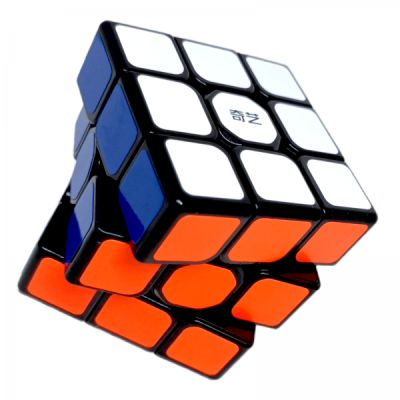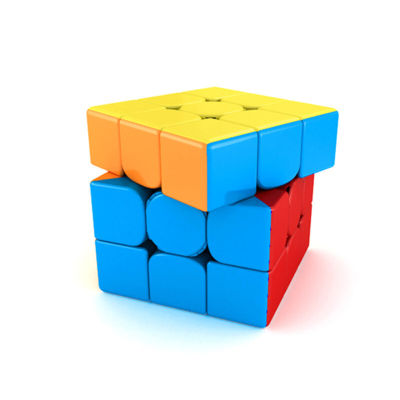













Solving a Rubik's Cube looks like magic, but most people learn it in a weekend with the layer-by-layer method. It's a great puzzle for building patience, memory and problem-solving.
First, the basics
The centre pieces never move relative to each other, so the white centre always tells you which face will be white. Hold the cube the same way while you learn and move one step at a time.
The seven steps
- White cross: make a white “plus” on top, with each edge's side colour matching the centre next to it.
- White corners: place the four white corners to complete the first layer.
- Middle layer: insert the four edge pieces of the middle layer using a short repeating move.
- Yellow cross: flip the cube so yellow is on top and make a yellow cross.
- Yellow edges: line up the yellow cross edges with their side centres.
- Position yellow corners: move the corners into the right spots (they may be twisted).
- Twist yellow corners: rotate each corner until the whole cube is solved.
Learn one step per day. Practise each step until you can do it without looking at instructions, then move on.
Why a smooth cube helps
Speed cubes turn more easily and “cut corners”, which means fewer locks and pops. That makes learning less frustrating and helps when you start timing your solves.
Have a question? Message us on WhatsApp at +94 77 807 2150 — we're happy to help you pick the right product.